ZenMode’s founder moved his customer notes out of Claude threads, and the evidence backed his plan.


Jonathan Lis runs ZenMode, a tool for LinkedIn outreach campaigns. He hears from customers himself and decides what gets built next. Until this year, the evidence behind those calls lived in his head and in Claude threads. That puts him with most of the 109 product people we interviewed in 2026.
“Before I used Timebook, I just kept everything unwritten (or just as conversations in Claude), so it’s been great to have something that I can always refer back to.”
 Jonathan Lis, Founder, ZenMode
A Claude thread answers today’s question well. But each one starts from scratch, and the evidence behind last month’s answer sits in a conversation nobody reopens. When a decision is questioned, the founder rebuilds the case from memory.
What to do: Count the Claude threads that hold customer notes. That’s the evidence your next decision can’t see.
Implication: If your evidence lives in threads, every answer starts from zero.
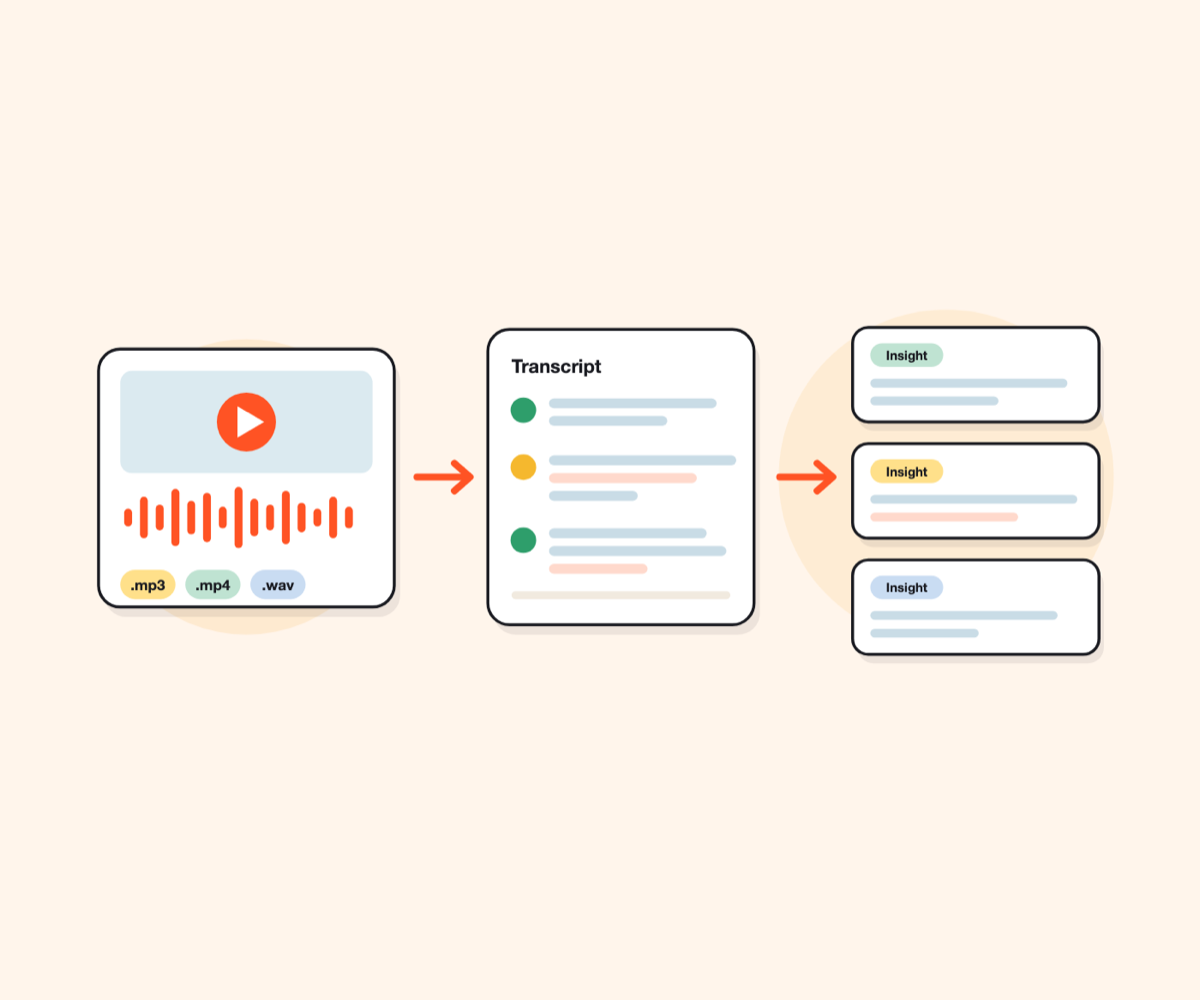
Timebook links every customer signal to the Insights and Opportunities behind it, so the reasoning stays with the task. The work in front of Jonathan now has its customer evidence written down beside it.
“The benefit of timebook for me has really has been keeping customer data points in one place and getting a second opinion on what I’m working on, rather than just having a rough idea of what I need to do in my head - it’s added actionable structure to my tasks.”
Jonathan Lis, Founder, ZenModeWhat to do: Pick this week’s top task and write down the three customer conversations behind it. If you can’t, that task is running on instinct alone.
Implication: Structure isn’t paperwork. It’s the reason for each task, kept where you can find it.
“I wouldn’t say I did anything differently so far as a result of the insights, as I was already working on the changes that Timebook suggested, but it’s definitely helping me maintain focus on the most important customer insights.”
Jonathan Lis, Founder, ZenModeWe’re sharing that as it is. Jonathan’s instinct was right. What changed is that he can now show it was right. When the evidence matches the plan, the founder keeps the plan and gains the proof, and it’s easier to stay on the work customers care about most.
What to do: Before your next board or adviser update, list your top three priorities with the customer evidence beside each one.
Implication: An instinct you can back with evidence holds up when someone asks “how do you know?”
Bring your customer feedback into one home in Timebook, then connect your AI to it through the Timebook MCP server so it cites customers instead of guessing.

Lorem ipsum dolor sit amet, consectetur adipiscing elit. Suspendisse varius enim in eros elementum tristique. Duis cursus, mi quis viverra ornare, eros dolor interdum nulla, ut commodo diam libero vitae erat. Aenean faucibus nibh et justo cursus id rutrum lorem imperdiet. Nunc ut sem vitae risus tristique posuere.
The rich text element allows you to create and format headings, paragraphs, blockquotes, images, and video all in one place instead of having to add and format them individually. Just double-click and easily create content.
The rich text element allows you to create and format headings, paragraphs, blockquotes, images, and video all in one place instead of having to add and format them individually. Just double-click and easily create content.A rich text element can be used with static or dynamic content. For static content, just drop it into any page and begin editing. For dynamic content, add a rich text field to any collection and then connect a rich text element to that field in the settings panel. Voila!
A rich text element can be used with static or dynamic content. For static content, just drop it into any page and begin editing. For dynamic content, add a rich text field to any collection and then connect a rich text element to that field in the settings panel. Voila!Headings, paragraphs, blockquotes, figures, images, and figure captions can all be styled after a class is added to the rich text element using the "When inside of" nested selector system.
Headings, paragraphs, blockquotes, figures, images, and figure captions can all be styled after a class is added to the rich text element using the "When inside of" nested selector system.